Contents
Subscribe to our newsletter
Subscribe to the elia newsletter for exclusive product updates and industry best practices. You can unsubscribe at any time.
Thank you! You're subscribed.
Oops! Something went wrong while submitting the form.

.png)

When a regional insurance firm with 5,000 employees discovered that 40% of their office space sat empty on an average Tuesday, despite paying $12 million annually in rent, they faced a reality shared by organizations worldwide. Empty desks and scarce meeting rooms have become the new normal, yet the fixed costs keep mounting.
Occupancy management is the systematic approach to tracking, analyzing, and optimizing how physical workspace is actually used. It goes beyond simply counting heads in seats. It's about understanding patterns of space utilization, aligning real estate investments with actual demand, and creating environments that support how people truly work.
The urgency has never been greater. Hybrid work models have fundamentally altered when and how employees use office space. Organizations face intense pressure to reduce real estate costs (often their second-largest expense after payroll) while meeting ambitious sustainability goals that require eliminating waste. The question is no longer whether to implement occupancy management, but how quickly you can start making data-driven decisions.
This guide covers everything you need: the essential metrics that reveal your space utilization reality, the technology tools that make measurement possible, proven implementation strategies that drive results, and real-world examples of successful transformations. Whether you're just beginning to question your space efficiency or ready to deploy an enterprise solution, you'll find actionable insights for your occupancy management journey.

Occupancy management is the systematic process of tracking, analyzing, and optimizing how organizations use their physical workspace. It combines real time occupancy data collection with analytics to provide clear insights into actual usage patterns, enabling facilities teams to make data driven decisions about space allocation and resource management.
Unlike traditional facility management, which focuses on maintaining building systems and operations, occupancy management specifically targets how space serves employees and organizational goals. It transforms generic floor plans into dynamic environments where every square foot is measured, understood, and optimized based on accurate data rather than assumptions.
Successful occupancy management relies on four interconnected components working together:
While these terms are often used interchangeably, they serve distinct purposes within a comprehensive workplace strategy:
These three disciplines work together seamlessly. Occupancy monitoring provides the data that informs both day-to-day space management operations and strategic occupancy planning decisions, creating a complete framework for workspace efficiency.
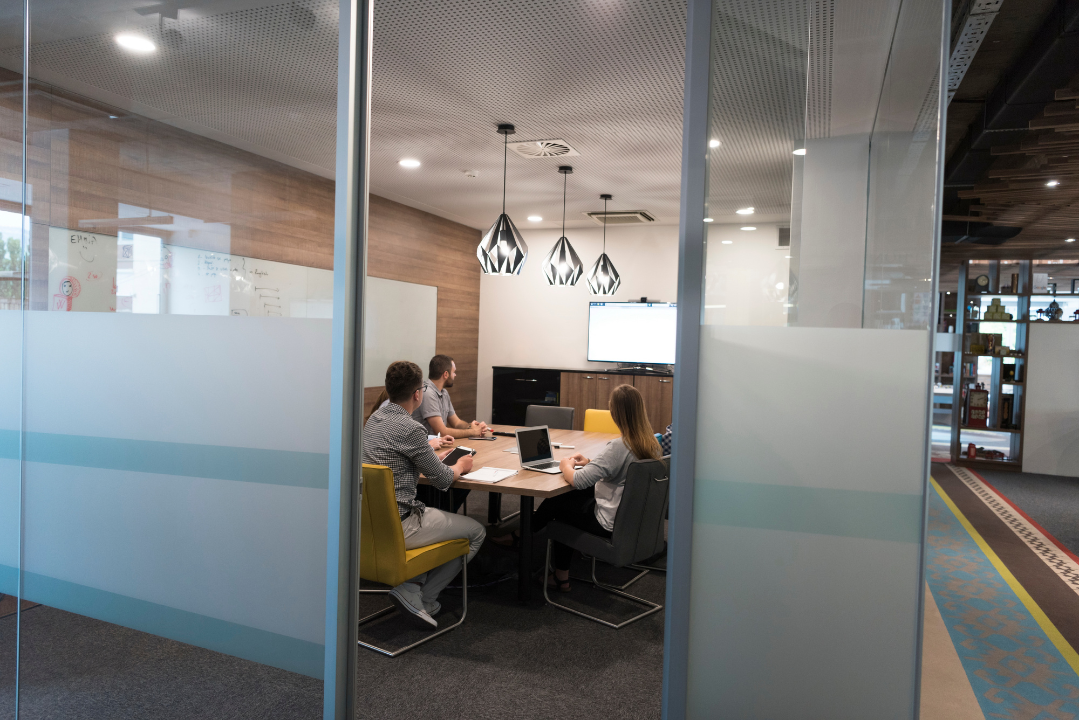
Real estate costs represent the second-largest expense for most organizations, yet studies consistently show that 30-40% of office space sits unused during typical workdays. Effective occupancy management can reduce costs by 20-30% through strategic space optimization, allowing companies to downsize their physical footprint or repurpose underused spaces without impacting productivity.
Beyond rent savings, occupancy management systems help reduce operational costs across multiple areas. Smart building integration means lighting based on actual presence and HVAC systems that respond to real time occupancy levels can save energy by 15-25%. Cleaning schedules aligned with actual usage patterns reduce unnecessary service costs, while maintenance resources focus on heavily used areas rather than empty floors.
The shift to hybrid work has fundamentally changed how employees interact with office space. While offices were never at 100% capacity even before the pandemic (due to meetings, vacations, business travel, and sick days), hybrid policies have introduced entirely new fluctuation patterns that are far more difficult to predict without accurate data.
Occupancy management provides the foundation for successful hybrid work policies. Real time occupancy data reveals when teams actually come to the office, which days see peak demand, and how meeting rooms and common areas serve fluctuating populations. This enables smarter decisions about scheduling, hoteling policies, and ensuring employees can access the space they need when they need it.
Space optimization directly impacts employee satisfaction and wellbeing. Occupancy monitoring helps organizations reduce overcrowding in popular areas while identifying underutilized areas that could be repurposed as collaboration zones, quiet rooms, or amenity spaces.
When employees can reliably find available desks, book meeting rooms without frustration, and work in comfortable environments designed around their actual needs, engagement improves. Data driven workspace design replaces guesswork with insights about how people actually work, creating spaces that enhance both productivity and employee experience.
Corporate sustainability goals require measurable reductions in energy consumption and carbon emissions. Occupancy management systems integrate with building systems to save energy through intelligent automation. Lights turn off in empty spaces, HVAC systems adjust based on actual occupancy, and heating or cooling focuses on occupied zones rather than entire floors.
This proactive approach ensures organizations meet sustainability commitments while reducing costs. Every square foot of eliminated wasted space represents energy saved, emissions avoided, and resources preserved.
Modern occupancy management relies on multiple data sources working together to provide accurate, comprehensive insights:
The power of occupancy software lies in its ability to provide immediate visibility into workspace conditions. Live dashboards show current occupancy across buildings, floors, zones, and individual spaces, enabling facilities teams to respond instantly to capacity issues or identify opportunities for improvement.
Mobile access allows managers to check occupancy levels on the go, while real time alerts notify teams when spaces exceed capacity thresholds or when underused spaces could be repurposed. This real time visibility transforms reactive facility management into proactive workspace optimization.
Learn more in our workplace occupancy monitoring blog post.
While real time monitoring addresses immediate needs, historical data reveals patterns that inform strategic decisions. Analyzing occupancy data over weeks and months identifies consistent trends, seasonal fluctuations, and cyclical patterns in how teams use space.
Peak usage identification shows which hours, days, or weeks see maximum demand, enabling better resource allocation and capacity planning. Predictive analytics use these trends to forecast future needs, supporting informed decisions about lease renewals, expansion plans, or consolidation opportunities.
Occupancy management systems deliver maximum value when integrated with broader building infrastructure. HVAC systems that respond to real time occupancy levels provide comfort when spaces are occupied while reducing energy waste in empty areas. Lighting automation based on presence ensures well-lit workspaces without leaving lights on overnight or in unused zones.
Connection to building management systems creates an IoT ecosystem where occupancy insights drive operational efficiency across every building function, from elevator scheduling to janitorial services.

Live visibility into how space is actually being used replaces assumptions with facts. Instead of wondering whether conference rooms are over-booked or desks are wasted, facilities teams see exactly what's happening right now. Real time alerts enable immediate action when capacity issues arise or when opportunities for improvement emerge, transforming how organizations manage their physical environments.
Occupancy data reveals which spaces are underutilized and which are constantly over-capacity. Armed with these insights, organizations can reallocate resources, repurpose underused spaces into high-demand functions, or consolidate teams to reduce their overall physical footprint. A storage room that's accessed twice a month might become a collaboration space, while three underutilized meeting rooms could transform into flexible workspace.
When cleaning schedules align with actual usage patterns rather than fixed routines, organizations reduce costs while maintaining standards. Energy management through smart building integration cuts utility expenses. Maintenance planning driven by occupancy ensures resources focus where they're needed most, extending equipment life and preventing issues in high-traffic areas.
Effective occupancy management replaces guesswork with measurable facts. Strategic real estate decisions about lease renewals, new locations, or space reductions rest on solid evidence rather than intuition. This proactive approach ensures alignment between workspace investments and actual organizational needs.
Meeting capacity regulations becomes simple when real time monitoring tracks exactly how many people occupy each space. Emergency evacuation planning benefits from accurate occupancy data, while health and safety protocols can be enforced based on actual conditions rather than estimates.
Understanding usage patterns enables organizations to align staff, services, and amenities with demand. Meeting rooms can be sized and distributed based on actual booking patterns. Common areas can be designed around peak usage times. Resources flow to where they're needed, when they're needed.
Tracking the right metrics is essential for understanding whether your occupancy management efforts are delivering results. Comprehensive occupancy analytics transform raw sensor data into meaningful measurements that guide strategy and demonstrate ROI.

Begin by aligning occupancy management initiatives with broader organizational goals. Are you primarily trying to reduce costs, support hybrid work, improve employee experience, or meet sustainability targets? Identify specific pain points like meeting room shortages, excessive real estate spend, or inability to accommodate flexible schedules. Set measurable targets such as reducing space by 20%, cutting energy costs by 15%, or achieving 85% employee satisfaction with workspace availability.
Assess your current infrastructure before selecting occupancy management software. What sensors, access systems, or booking platforms already exist? Evaluate software options based on integration capabilities, data accuracy, ease of use, and scalability. Consider whether the solution can grow with your organization and adapt to future needs across multiple buildings or locations.
Start small with representative areas rather than attempting a full building rollout immediately. Choose a single floor or department that reflects broader usage patterns. Gather feedback from stakeholders including facilities teams, IT, and end users. Refine your approach based on what works and what needs adjustment before expanding.
Change management considerations are critical for success. Communicate why occupancy management matters, how it benefits employees, and what changes they'll experience. Train facilities teams on analytics platforms and response protocols. Educate end users on any new booking systems or processes. A clear communication strategy ensures adoption and builds support.
Establish a regular review cadence to examine occupancy trends, assess progress toward goals, and identify new opportunities. Act on insights continuously rather than letting data sit unused. Iterate and improve based on what you learn, treating occupancy management as an ongoing journey rather than a one-time project.

Occupancy management transforms how organizations approach workspace, moving from guesswork to data driven decisions that reduce costs, support hybrid work, and create better employee experiences. The insights are clear: optimize space usage based on actual occupancy data, and every aspect of workplace strategy improves.
Understanding occupancy management is one thing. Finding a solution that's actually easy to deploy, delivers accurate data, and doesn't burden IT teams is another. Many organizations struggle with fragmented vendors, complex installations, or systems that promise insights but deliver frustration.
elia is the comprehensive answer to every challenge covered in this guide. As an all-in-one workplace operations platform, elia combines privacy-first sensors for accurate real time occupancy insights, seamless Microsoft and Google integrations, intuitive analytics dashboards, and simple setup that gets you from installation to valuable insights in days, not months.
What sets elia apart? You get a complete hardware and software solution without vendor fragmentation or integration headaches. ISO 27001 certification ensures your occupancy data stays secure. The platform is designed specifically for hybrid workplaces and dynamic environments, with affordable, scalable pricing for organizations of any size.
Every day without occupancy insights means continued overspending on underutilized real estate, missed optimization opportunities, and decisions based on assumptions rather than facts. The cost of inaction compounds as empty desks drain budgets and workspace inefficiencies frustrate employees.
Book a free demo with elia to see the platfoas anrm in action and discover how real time occupancy monitoring can transform your specific workplace challenges into measurable improvements. Stop paying for space you don't need. Start making smarter decisions about the space you have.
Help teams find the right space, right when they need it.

Answers to Your Common Queries


.png)