Contents
Subscribe to our newsletter
Subscribe to the elia newsletter for exclusive product updates and industry best practices. You can unsubscribe at any time.
Thank you! You're subscribed.
Oops! Something went wrong while submitting the form.

.png)

Office hoteling is the practice of allowing employees to reserve desks, meeting rooms, and other workspaces as needed, instead of assigning them permanent desks. It replaces the traditional office model with a flexible work environment that adapts to the needs of remote workers, hybrid teams, and dynamic organizations.
As companies continue to embrace hybrid work, office hoteling offers a smarter way to manage office space, reduce real estate costs, and improve space utilization. It enables remote employees to book workspaces when they come in, ensuring everyone has what they need to do their best work, without wasting square footage on unused desks. If you're weighing it against free-seating, our office hoteling vs hot desking comparison breaks down the differences.

Implementing office hoteling is more than just removing assigned seating. To make it work, we need the right strategies, tools, and policies. Without a clear process and good workplace management software, things can get chaotic—leading to confusion, low adoption, and wasted space.
Let’s walk through 16 office hoteling best practices to implement it effectively, improve the booking process, and create a workspace that truly works for your people.
We can’t expect employees to adopt a new system if they feel left out. Before launching your hoteling strategy, invite feedback through surveys, meetings, or a suggestion box.
Address concerns early. When employees are involved, they're more likely to support the transition.
Set expectations with clear guidelines. Explain how to reserve desks, meeting rooms, and hoteling space. Define check-in/check-out rules, penalties for no-shows, and space-sharing etiquette.
Make the policy easy to find and understand. Update it regularly based on usage data and employee feedback.
The right reservation system makes all the difference. Choose desk booking software with real-time availability, interactive floor plans, and mobile access.
Make sure it integrates with tools like Slack, Outlook, and Google Calendar for a seamless booking experience. A cloud-based system ensures remote access and scalability.
Explore our office hoteling software and see how it transforms workspace management.
Change is easier when people understand it. Communicate early and often. Provide training materials, how-to videos, and onboarding sessions.
Involve leadership and HR teams to show alignment from the top. Use internal newsletters and Slack channels to reinforce the message.
A flexible office layout is essential. Offer a mix of focused workspaces, open spaces, collaborative areas, private booths, and quiet zones.
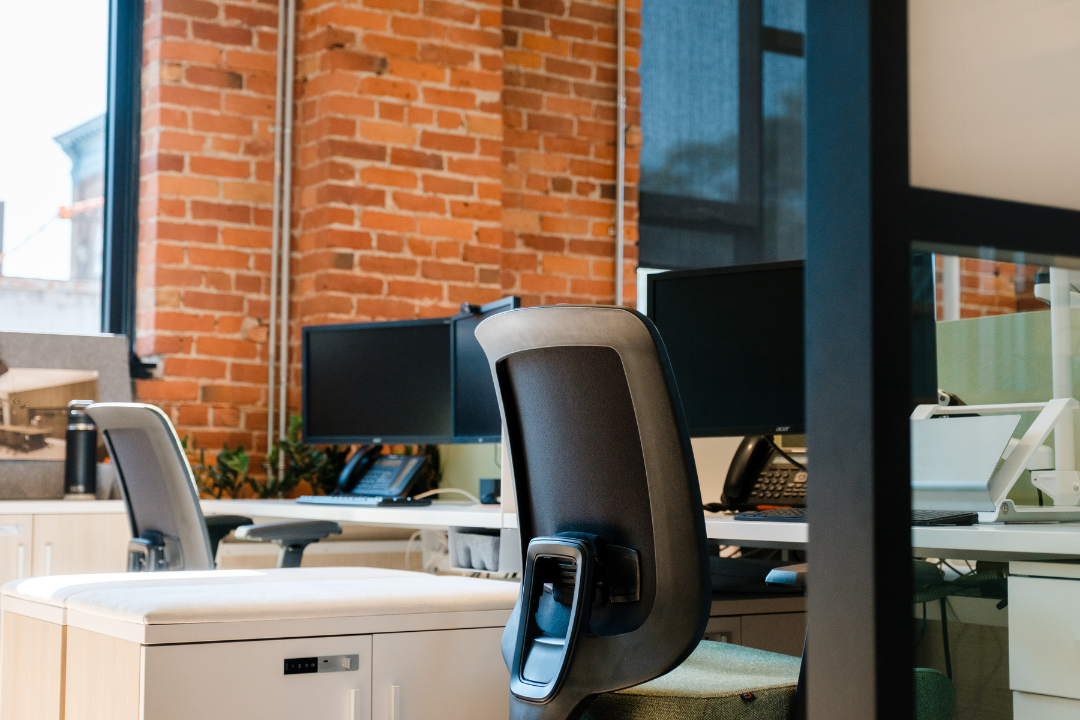
Equip your office space with ergonomic furniture and modern tech—think docking stations, dual monitors, and easy access to power.
Ensure that meeting rooms and conference rooms are accessible via the booking system. Consider activity-based working to accommodate different work styles.
Connectivity issues kill productivity. Invest in high-speed Wi-Fi and ensure strong coverage across all zones.
Add tech-friendly features like charging hubs, extra monitors, and seamless AV setups in collaborative spaces.
In a flexible work environment, access to digital files is key. Cloud storage lets employees retrieve their work from anywhere, without hauling around physical documents.
Secure your cloud tools with proper permissions and encryption.
Losing permanent desks doesn’t mean losing personal space. Provide secure lockers or drawers for employees to store their belongings.
This helps people feel grounded, even in a shared space.
A clean-desk policy helps keep shared spaces hygienic. Stock the office with disinfectant wipes, hand sanitizer, and cleaning supplies.
Make cleanliness part of the culture, not just a one-off reminder.
Launch your new hoteling system like you would a new product. Host a kickoff event, send out swag, and highlight early adopters.
Incentivize usage with contests or recognition programs. It builds excitement and drives engagement.
Monitor how many employees are on-site each day. Set occupancy limits to avoid overcrowding.
Use advance reservations and enforce check-in rules to prevent unused desks from being blocked by no-shows.
Hoteling spaces require shared etiquette. Encourage employees to clean up after themselves, manage noise levels, and respect others’ boundaries.
Create a culture of consideration to make the space enjoyable for all.
Your desk hoteling strategy should support your hybrid workforce. Clearly define when employees book desks and how it fits with their remote work schedules.
Consistency between remote work policies and hoteling practices avoids confusion.
A good workspace management system tracks space usage, desk occupancy, and real estate costs. Use that data to identify underused areas, adjust the office layout, and improve efficiency.
Learn more about our occupancy management features.
Make it easy for employees to share their thoughts. Run regular surveys about the desk booking process, and listen to their input.
Appoint a desk coordinator or facility manager to oversee the hoteling model and resolve space-related issues quickly.
Don’t set it and forget it. Review booking data, employee satisfaction, and system performance regularly.
Upgrade your space management software as your needs evolve. Tweak policies to reduce real estate costs, improve workspace efficiency, and boost job satisfaction.

Shared workspaces shouldn’t feel impersonal. Offer designated zones, secure lockers, or even personal storage carts to help employees feel at home.
To keep things fair, establish time limits, booking windows, and cancellation rules. This prevents a few people from dominating the system and gives everyone equal access.
Make cleanliness part of your hoteling guidelines. Encourage desk users to tidy up, and schedule professional cleaning for high-traffic areas.
Provide the tools—hand sanitizer, wipes, tissues—to make it easy.

Cloud storage, AI-driven analytics, and smart sensors are transforming workspace management. The best systems will adapt in real-time to occupancy trends and employee preferences.
A smart hoteling software can even suggest optimal desk assignments based on work habits and team proximity.
As more companies adopt hybrid work, flexibility becomes the norm. Office hoteling must evolve to support not just desk booking, but collaboration, focus, and wellness.
Expect to see more integration with wellness tools, team planning features, and personalized space recommendations.

Following these best practices isn’t just about managing space—it’s about creating a better workplace. Done right, office hoteling improves space usage, reduces real estate costs, and increases employee satisfaction.
The key is choosing the right reservation system. A good office hoteling software streamlines desk booking, eliminates scheduling headaches, and offers powerful insights into how your spaces are used.
Want to see it in action? Schedule your elia demo and discover how our platform simplifies workspace management, boosts employee engagement, and makes hybrid work effortless.
Answers to Your Common Queries

![Hot Desking vs Activity-Based Working: The Comparison Guide [2026]](https://cdn.prod.website-files.com/64f88f68249f7cafe071d150/6983b914d7fa26ca621795b6_160.png)