Blog

What Is an IWMS? And Do You Still Need a Workplace Platform With One?

Content Marketing Specialist
­­­­­–

Last updated on Sep 23, 2026

If you’re in facilities or real estate, chances are you have IWMS software in your toolkit. That big, heavy system tracking your leases and work orders. Probably cost a fortune to set up, too. But ask 10 people in your office if they’ve ever logged in, and 9 won’t have a clue what you’re talking about.

Meanwhile, the everyday stuff like finding a desk or booking a meeting room happens elsewhere, often in a spreadsheet.

So do you actually need an IWMS, or can a lighter workplace platform do the trick for your everyday operations?

Here is what you’ll find here:

  • what an IWMS is, and its 5 jobs
  • difference between IWMS, CAFM, CMMS, and EAM
  • who uses an IWMS vs who never touches it
  • where legacy platforms fall short, including the IBM TRIRIGA shutdown
  • what a workplace platform does instead, and how the two work together
  • how to know which setup is right for you
  • and more :)

TL;DR

  • An IWMS is for your buildings. Leases, maintenance, capital projects, the whole property portfolio.
  • A workplace platform is for your people. Desks, rooms, visitors, service requests, lockers, assets, parcels, occupancy measurement, and more.
  • Which one? Got a big property portfolio to manage, you'll want the IWMS. Just need the day-to-day to work, a workplace platform covers it, on its own or on top of what you already have.

What an IWMS is

what is iwms

It stands for integrated workplace management system, which is just a fancy way of saying one system that manages everything about your buildings. Gartner coined the term back in 2004, and the idea was to get facilities teams out of using 15 different tools and put everything into one place with centralized data and just one login.

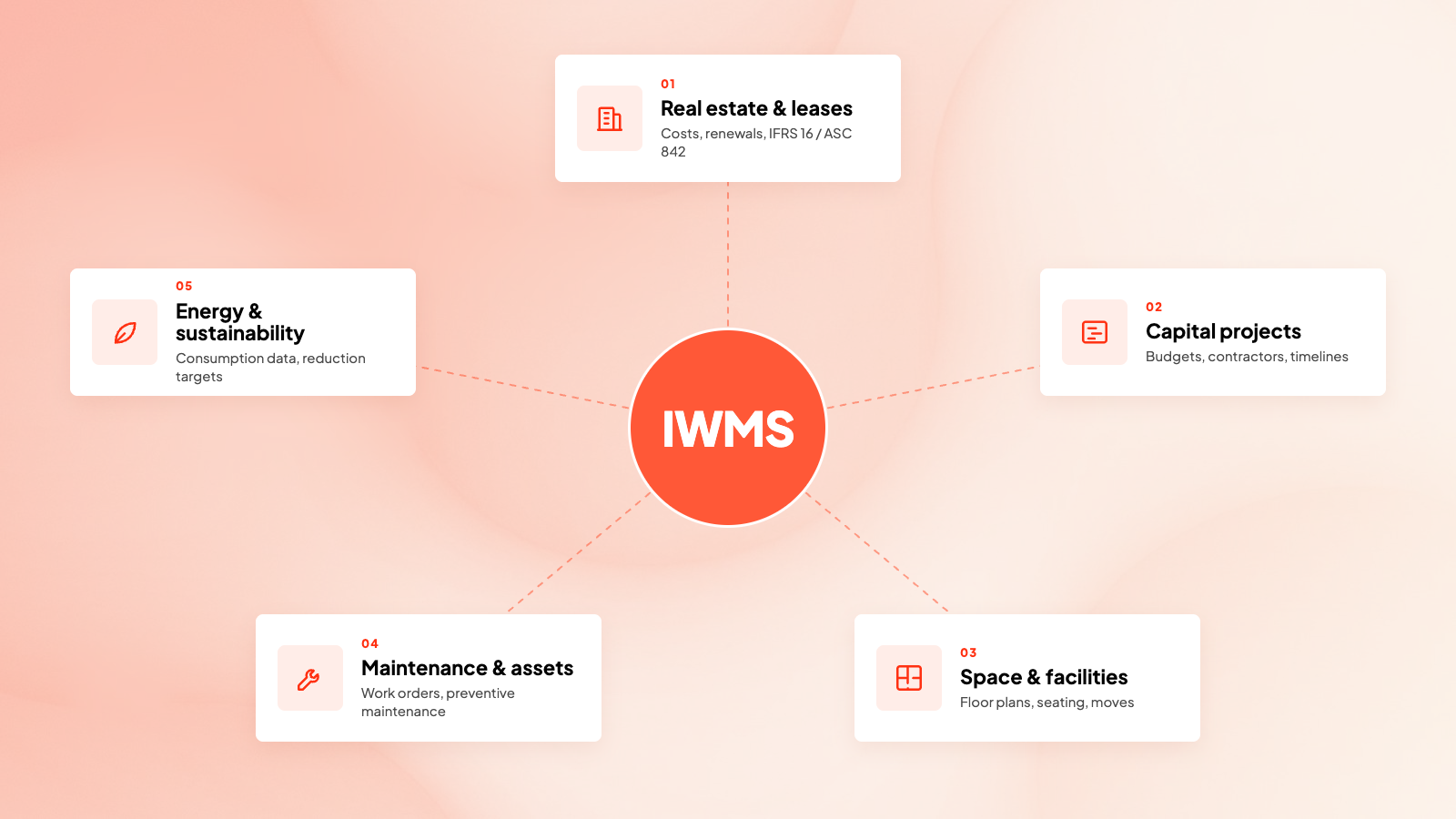
It’s supposed to do 5 big jobs:

  • Real estate and leases. What you're paying, when leases are up for renewal, when you can get out of them, and the lease accounting things finance needs for IFRS 16 and ASC 842. Real estate portfolio management, in other words.
  • Capital projects. Big builds and renovations, capital project management. You can track budgets, contractors, timelines, and all the rest involved in a project. Like project management, but for buildings.
  • Space and facilities. Floor plans, who sits where, moves and changes. All your space management and space planning in one view.
  • Maintenance and assets. Work orders, maintenance requests, and the preventive maintenance schedule. The goal is to look after your building assets before small problems turn into bigger, more expensive facility maintenance costs.
  • Energy and sustainability. What the building's using and the numbers behind any push to reduce energy consumption.

There are some big names in this industry, like IBM TRIRIGA, Planon, Eptura, Nuvolo. These IWMS platforms are for huge players (companies with hundreds of buildings and millions of square feet), where centralized data for the whole facilities portfolio becomes a must. If you don't have that scale, it can be more than you really need.

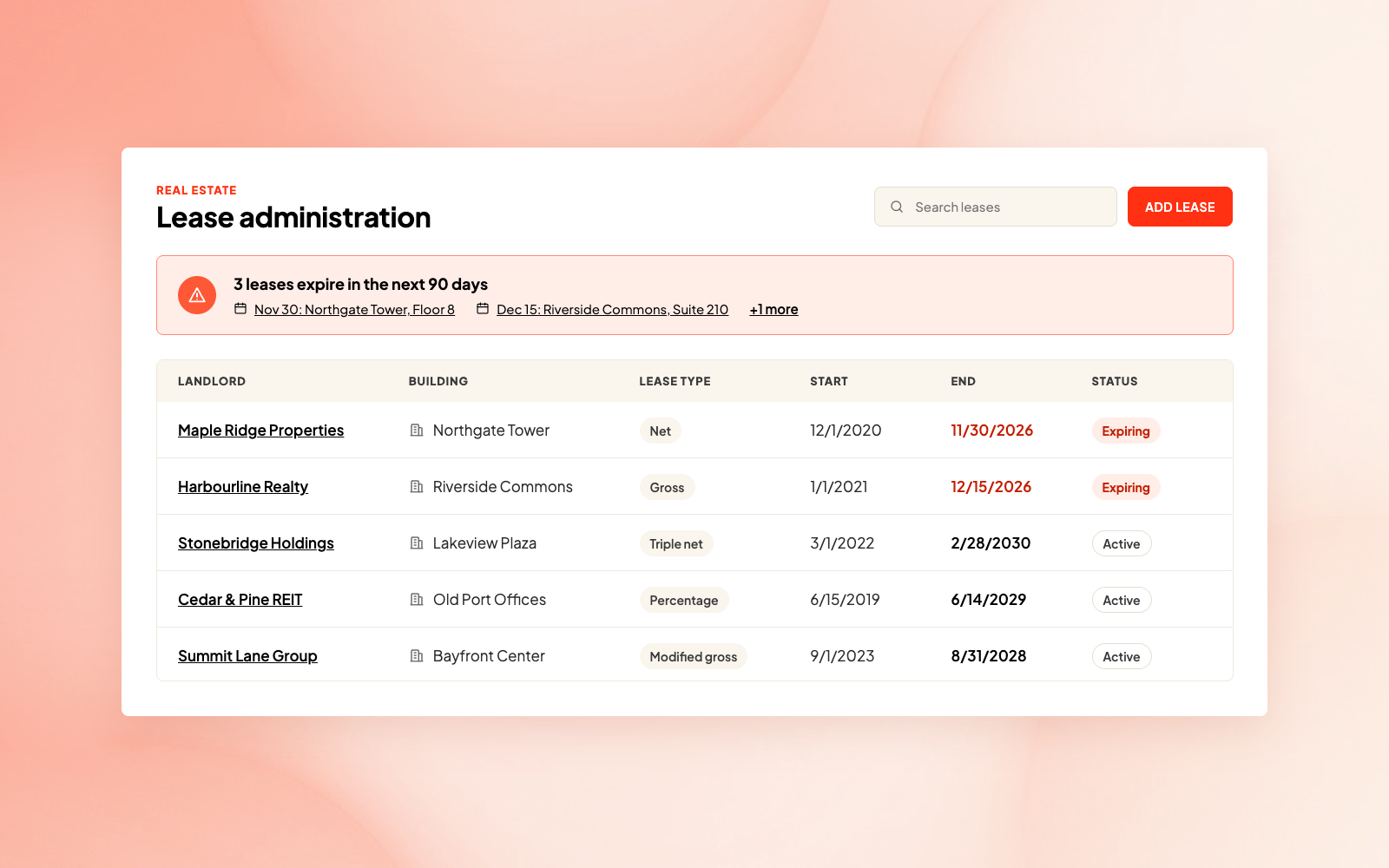
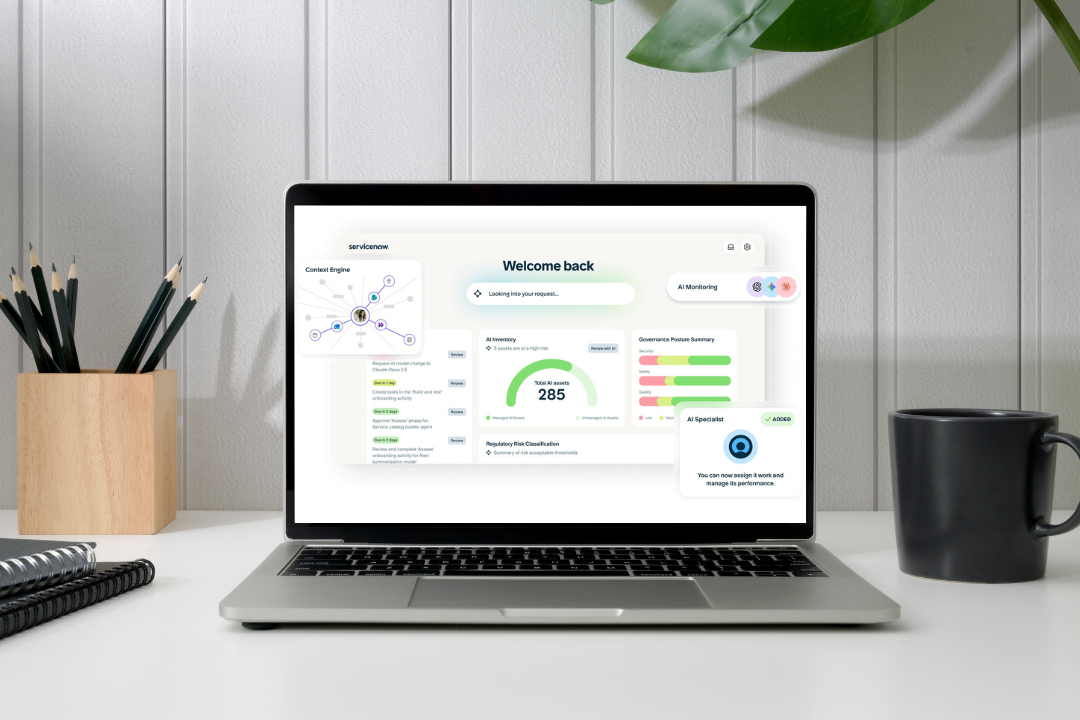
iwms eample
IWMS example

IWMS vs CAFM vs CMMS

You’ll also see CAFM and CMMS mentioned alongside IWMS, two more kinds of management software. They overlap, but they’re not the same thing:

  • CMMS (computerized maintenance management system) is for maintenance. You use it to manage work orders, preventive maintenance, spare parts, equipment, and repairs. If you're mainly dealing with facility maintenance, CMMS is the one.
  • CAFM (computer-aided facilities management) is the facilities side of it. You’re dealing with the space itself, floor plans, moves, work requests, tracking your facilities management processes. There’s some maintenance in here too, but the focus is the facility and what’s happening in it, and it's mostly facility managers working in it.
  • IWMS swallows both then adds the corporate money layer on top. You still have space and maintenance, but you’re also looking at leases, portfolio management, capital projects, energy, and the financial side of buildings.

Then there’s EAM (enterprise asset management). It’s more common in industrial environments where you have a lot of equipment and maintenance operations to manage. IBM Maximo is probably the most famous name. But for a typical office portfolio, you don’t need something that extensive.

Dimension CMMS CAFM IWMS
What it's for Equipment and asset upkeep Space and facility operations Portfolio, space, and real estate
Who uses it Maintenance teams and managers Facility and workplace teams Real estate, finance, facilities teams
Lease and accounting Barely any Some cost tracking Full lease accounting (IFRS 16, ASC 842)
Capital projects Repair-and-replace budgets Small renos and moves Big builds and portfolio-wide spend
How complex is it? Low to moderate Moderate High

So which one's yours?

CMMS or EAM if you’re talking maintenance. CAFM if you’re talking workplace. A lot of what you get in CAFM is now part of workplace platforms too.

Who an IWMS is built for

Short version, if you're a mid-sized company, this isn’t for you.

An IWMS solution is the enterprise grade kit you'd typically see being bought by universities, hospital networks, governments and big multinationals with sprawling real estate and facilities all over the globe.

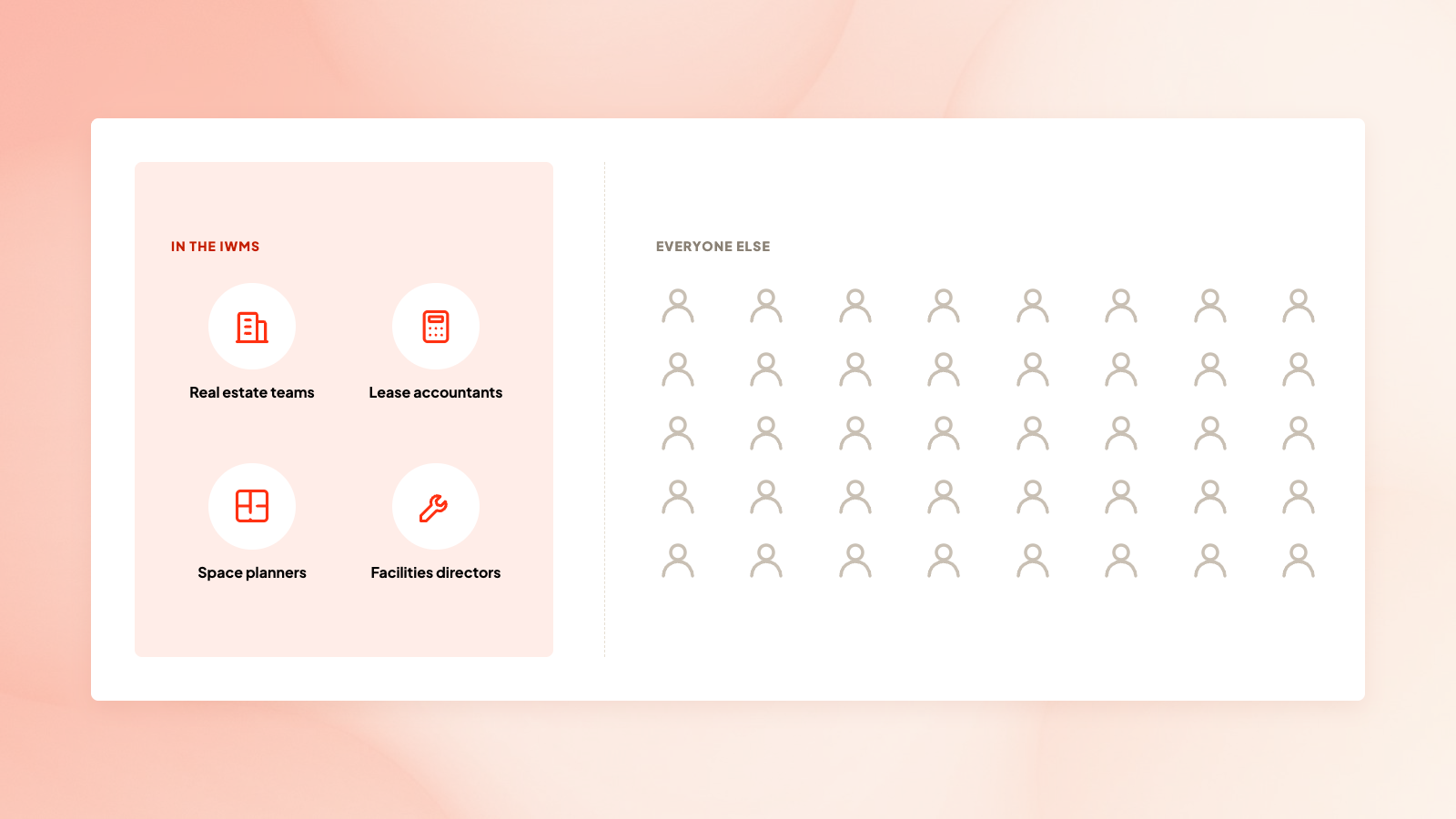
And even then it sits in the back office. The people in it are:

  • real estate keeping tabs on the money going in and out and the facilities portfolio management side
  • lease accountants doing rent and budget management
  • space planners figuring out how many desks you need and where
  • facilities directors dealing with contracts and facility management costs across a dozen sites
iwms usage

The person at the next desk never opens it (and never needs to).

And it's exactly where things start to go wrong.

Painful reality of legacy IWMS

The problem with a lot of these systems is that they’re old. Most were designed around 2004, before the cloud, before good APIs, and before anyone expected to book a desk from their phone. You can see that in the way they work:

  • They take forever to set up. A year (or more) with consultants and data cleanup before anyone logs in. So you’re spending hundreds of thousands to millions of dollars in software licensing and infrastructure before you’re getting much back.
  • They get customized into a corner. Every department wants the system to fit their own business process, and after a few years, all that custom work makes upgrades scary, so people just don’t. It’s ironic because it's supposed to be about improving operational efficiency.
  • They don't integrate nicely. A lot of these systems were built as closed databases. If you want to connect one to sensors or other enterprise systems, you might need middleware and another project to get the systems talking to each other.
  • People don’t use them. They were designed more for those managing the data behind the scenes. So you have a system that can do a lot, but people still use email for the actual work.

That happens all the time, by the way.

One facilities team we talked to had been on the same IWMS for ~20 years, and even now their space team is mostly using it for floor plans and space records. That’s basically it. All the move-planning and space utilization features don’t get touched as much. They do moves in a spreadsheet, then update the floor plan later.

Another team, a university, told us the same kind of story. Around a decade on the system, a lot of it going to government reporting. They keep their room list in there and do space audits in Excel and a little side project on PowerApp.

IMB TRIRAGA retirement

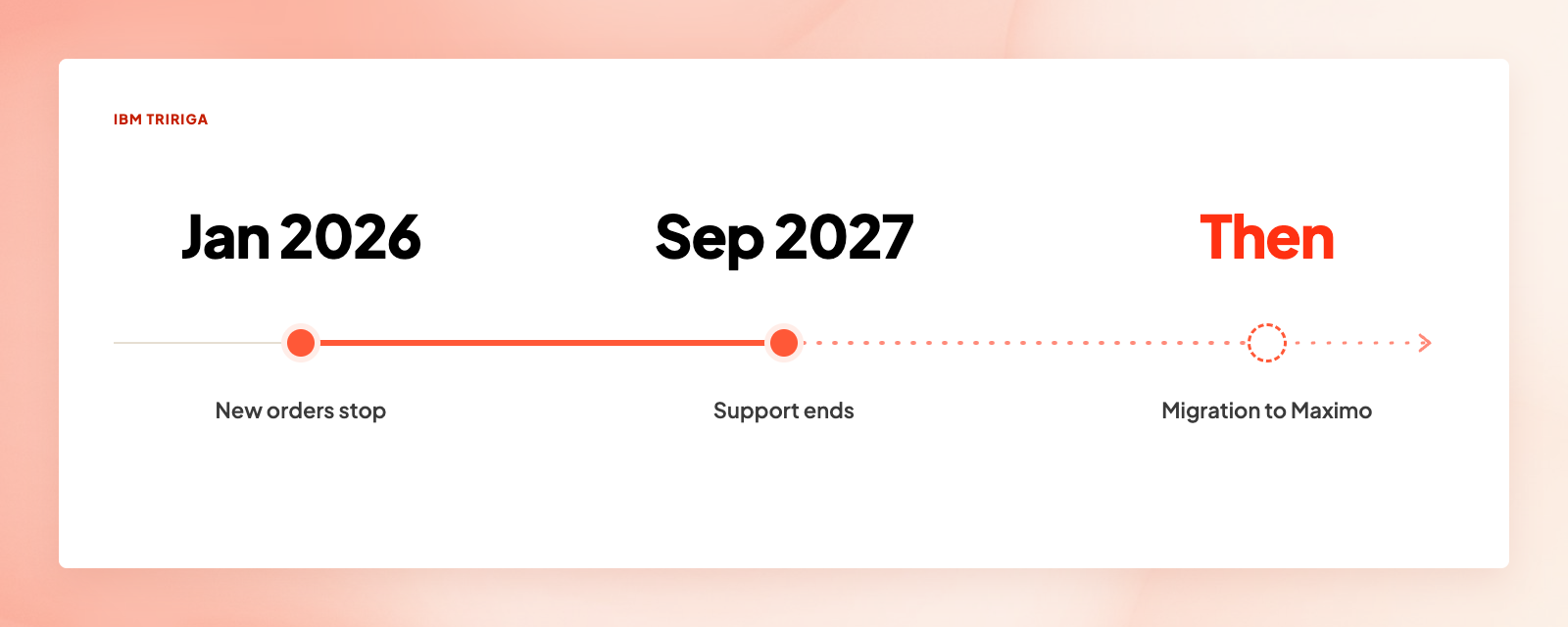
There’s one more thing on everyone's mind right now. IBM's retiring the standalone TRIRIGA product. They stopped taking new orders in January 2026. In September 2027, support shuts off altogether and you get pushed over to Maximo, same capabilities, new name. If you're on TRIRIGA, you get to enjoy a ‘voluntary’ migration.

Which makes right now a pretty good moment to ask the real question. Do you want to sign up for another giant IWMS, or is there a lighter way to get the job done?

Where does a workplace platform fit in?

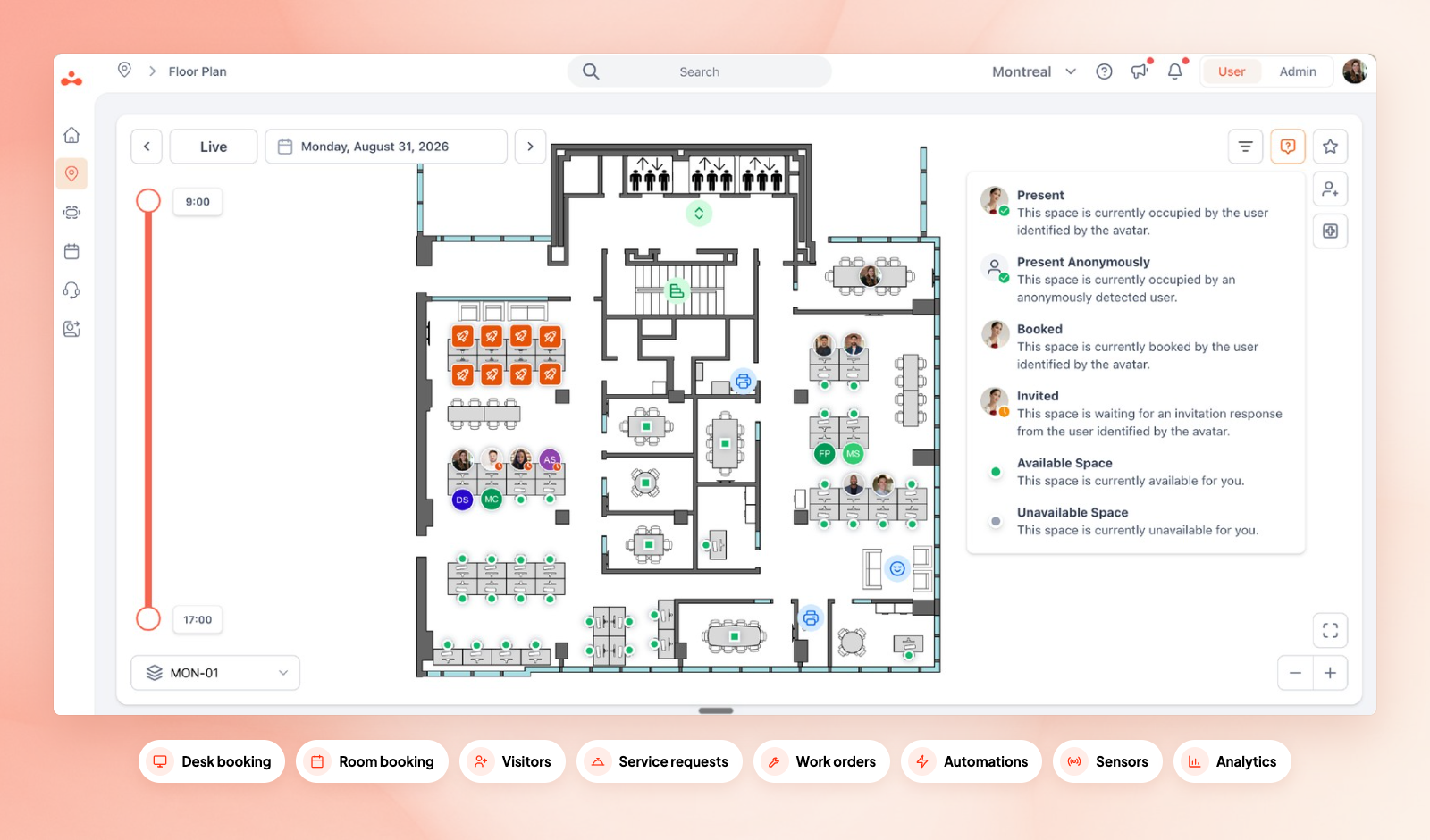
workplace operations platform example
Workplace operations platform example (Source: elia)

So what do you use instead? A workplace platform is one option.

Easiest way to see where it fits is to split your setup into two layers.

One layer is your system of record. That's your source of truth for things like leases, financials, asset registers, master floor plans, everything that’s static and needs to be handled with care. Finance and real estate are typically the ones keeping a close eye on this. An IWMS or an ERP does this job fine.

Quick note on ERP
It's enterprise resource planning software, the finance and operations system like SAP or Oracle. There's a fuller IWMS-vs-ERP breakdown in the FAQ.

The other layer is what your employees use daily, the everyday workspace management stuff:

People actually use the workplace platform. So when you look at the data, you’re looking at what people are doing.

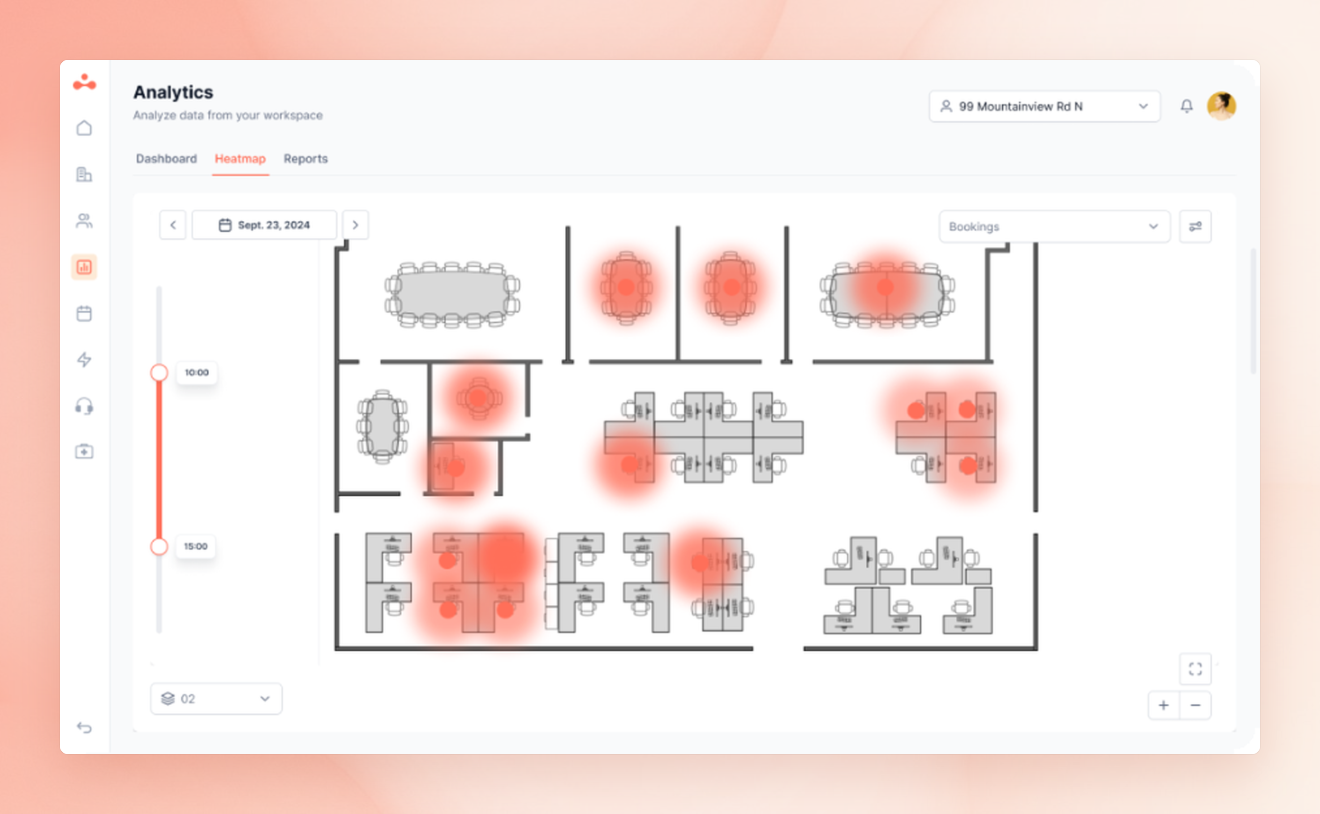
Workplace analytics module example
Workplace analytics module example (Source: elia)

An IWMS can tell you a floor is at 60%, but if that figure’s coming from badge swipes or bookings nobody made, it's describing a building that doesn't exist. When your space utilization data comes from a tool that people open up every single day to get their work done, then you can trust it, and you can optimize space utilization floor by floor.

Then you connect the two layers together:

  • IWMS system keeps looking after the money and record-keeping
  • workplace platform is taking care of the day-to-day workplace operations and workplace resources

And the usage data just flows back, so your real estate people can line it up against the leases. Employees get something that's fast and mobile, and leadership gets numbers they can point to in a budget meeting.

There are quite a few tools like this: elia, Tactic, OfficeSpace, deskbird, etc. They're lighter, newer tools people mean when they say workplace operations platform.

Québecor's a good example. Big Canadian media company, more than 10,000 people, plenty of them hybrid. After they rolled out elia, their bookings tripled, and they could see how the office was being used and make real estate calls backed by numbers. You can read the whole Québecor story here.

Do you still need an IWMS?

So, back to the question in the title. It really comes down to three ways people set this up:

  • Go all-in on the IWMS. One vendor, all 5 pillars, everything in one place. Good choice if you're big and heavily regulated, sitting on a stable pile of real estate with serious capital planning, and daily desk booking is the least of your worries. You get everything centralized, and you pay for it in rollout time and employee experience.
  • Keep both. Hold onto the IWMS for the financial side and put a workplace platform on top for booking, visitor management, service requests, and space management.
  • Skip the IWMS. Keep leases and assets in your ERP software and let a workplace platform cover space and operations. Plenty of companies keep SAP for human resources and ServiceNow for IT, then add a workplace layer for everything the employees see.

Curious how the two-layer setup actually looks in practice? We can show you elia working alongside the systems you already have.

Make every square foot count

See what’s working, what’s wasted, and where space can do more.

elia occupancy measurement
is a Content Marketing Specialist at elia. With 10+ years in content marketing, she writes about workplace trends and the tools that help teams work smarter. Part strategist, part storyteller, Tamara brings equal amounts of data, creativity, and a little Moon Prism Power to every piece she creates. 🌙✨
Contents
    Subscribe to our newsletter
    Subscribe to the elia newsletter for exclusive product updates and industry best practices. You can unsubscribe at any time.
    Thank you! You're subscribed.
    Oops! Something went wrong while submitting the form.

    Frequently Asked Questions

    Answers to Your Common Queries

    How much does an IWMS cost?
    Can an IWMS connect to our other systems?
    Does an IWMS cover energy and sustainability reporting?
    What should we check before migrating off a legacy IWMS?
    What's the difference between an IWMS and an ERP?
    Does an IWMS save you money?